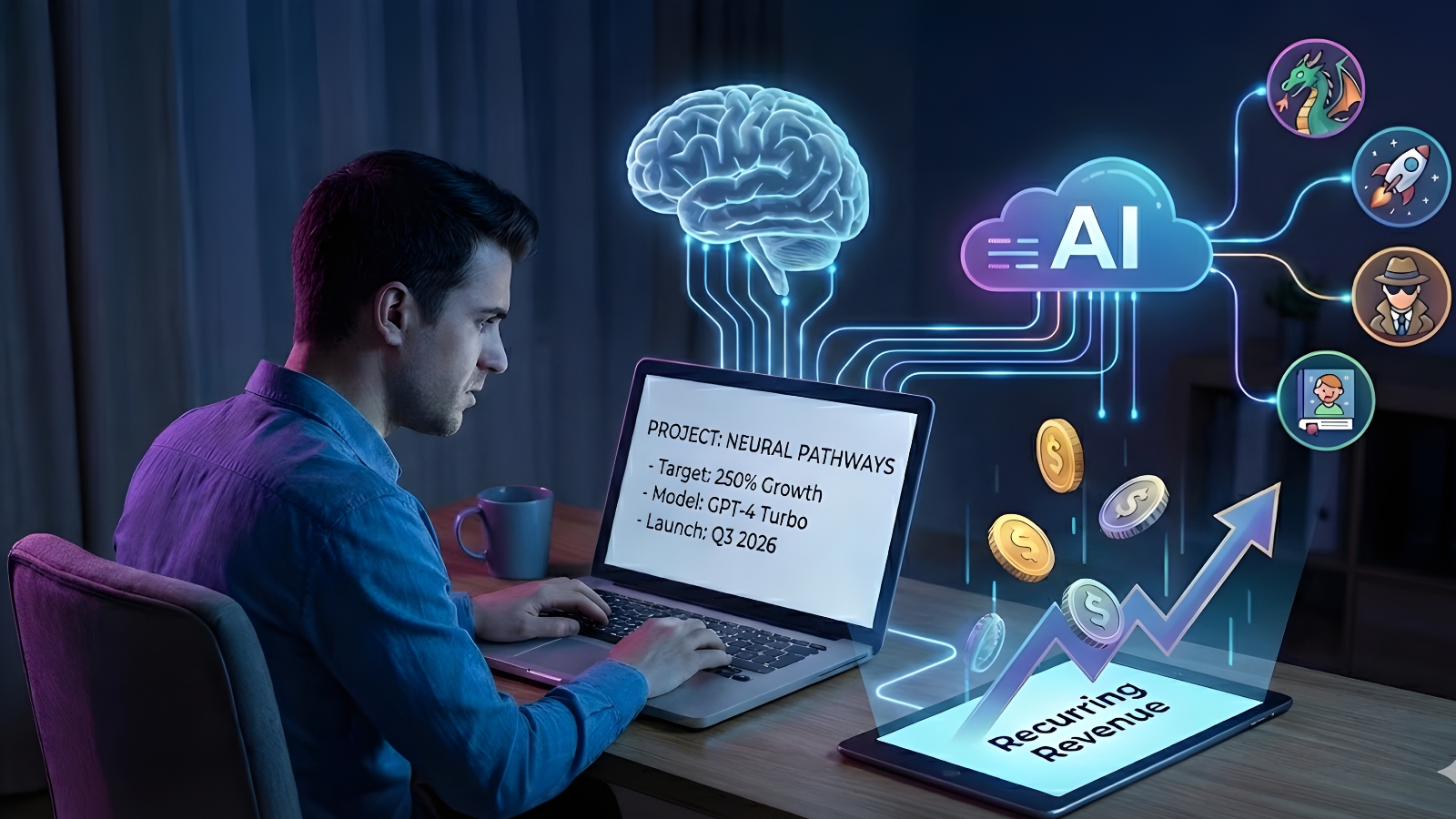
AI Financial Forecasting: The Ultimate Guide for Modern Business
In a data-driven economy, companies need much more than simple spreadsheets to manage their finances effectively—they need predictive power. That is where AI financial forecasting comes in. By combining machine learning with business finance, you can offer deep insights that go far beyond the balance sheet. If you are a financial expert, an AI developer, or a SaaS entrepreneur, creating a service around this technology is one of the smartest ways to provide long-term value to startups, CFOs, and ecommerce founders.
Most companies still rely on outdated methods like static Excel models, manual scenario testing, and gut-based decisions. These methods are prone to human error and simply cannot adapt to real-time changes in business conditions. AI financial forecasting fixes this problem by using historical financial data, sales trends, and market signals to create dynamic predictive models.
Why the Market Demands AI Financial Forecasting
The shift from manual to automated financial planning is accelerating. Traditional forecasting is rigid. It looks backward, not forward. Business leaders today need agility. They need to know what will happen next week, not just what happened last quarter.
With AI financial forecasting, you are not just crunching numbers; you are identifying patterns. A machine learning model can analyze thousands of data points—from seasonal sales spikes to global economic shifts—in seconds. This allows businesses to pivot strategies instantly, ensuring they stay ahead of the curve.
What Your Service Can Offer Clients
Building a platform in this niche allows you to solve critical pain points for businesses. Here is what a robust system should deliver.
Revenue and Expense Predictions
Your tool should automatically generate forward-looking statements. It works by analyzing past revenue, identifying seasonal trends, and projecting growth rates. It helps business owners see where their money is going before they spend it. This level of foresight is invaluable for maintaining healthy margins.
Cash Flow Forecasting
One of the biggest killers of small businesses is poor cash flow management. Your service can help companies anticipate cash gaps, track payment cycles, and identify investment opportunities. By providing dynamic cash flow tracking, you save businesses from the stress of running out of runway.
Budgeting and Scenario Modeling
Static templates are dead. AI allows users to simulate various scenarios like market downturns, hiring changes, or price increases. This “what-if” analysis is crucial for risk management. For a deeper understanding of how these financial models work, you can explore resources on financial forecasting methodologies to see the difference between qualitative and quantitative approaches.
KPI Monitoring and Alerts
A smart system doesn’t just display data; it acts on it. Your platform should send alerts when key metrics deviate from expected forecasts, enabling early interventions before small issues become big problems.
Also Read : Stop Wasting Time : The AI Newsletter Hack You Need
How to Build a Winning Platform
Creating an AI financial forecasting tool requires a strategic approach.
Step 1: Identify Your Target Market
Don’t try to serve everyone. Choose a niche. Small businesses and startups under $10M ARR have different needs than mid-sized firms. Freelancers need simplicity, while CFOs need depth. Tailoring your outputs to a specific segment like ecommerce brands or SaaS companies will make your product more appealing.
Step 2: Choose the Right Tech Stack
The foundation of your tool is critical. Python, with libraries like Pandas and Scikit-learn, is excellent for model training. For deeper learning forecasts, you might use TensorFlow. To present this data, web dashboards built on Streamlit or Dash offer a user-friendly interface. Integrating with platforms like QuickBooks or Stripe allows for real-time data pulls, which is a massive selling point.
Step 3: Create and Train Models
Use historical data to build regression-based forecasts or time series models like ARIMA or LSTM. These are powerful for detecting anomalies, such as unexpected expenses. Fine-tuning your outputs with domain-specific variables—like seasonality or marketing spend ROI—will make your predictions far more accurate than generic tools.
Monetization and Marketing
Once your product is ready, there are several ways to generate revenue. A SaaS subscription model is the most common, with tiered pricing based on the number of users or connected integrations. You could also offer custom reports for agencies or white-label solutions, allowing consultants to resell your tool.
To promote your service, focus on education. Create SEO blog content that addresses specific pain points, such as “How AI Helps Startups Avoid Cash Flow Crises.” Build an interactive demo that lets users input mock data to see the power of your forecasts in real-time. Partnering with financial influencers on LinkedIn or YouTube can also drive significant traffic to your tool.
AI financial forecasting is transforming how businesses plan, budget, and grow. By offering this as a service, you give founders and operators an edge that traditional spreadsheets simply cannot compete with. It is a high-value, high-demand business built for the long term.
Also Read : Stop Losing Money : Why AI Crypto Trading Is Your Best Bet